What’s the one quality great servant leaders have in common?
1.19.2026
On Martin Luther King Jr. Day, we reflect on a leadership truth Dr. King embodied every day: the greatest leaders serve with humility.
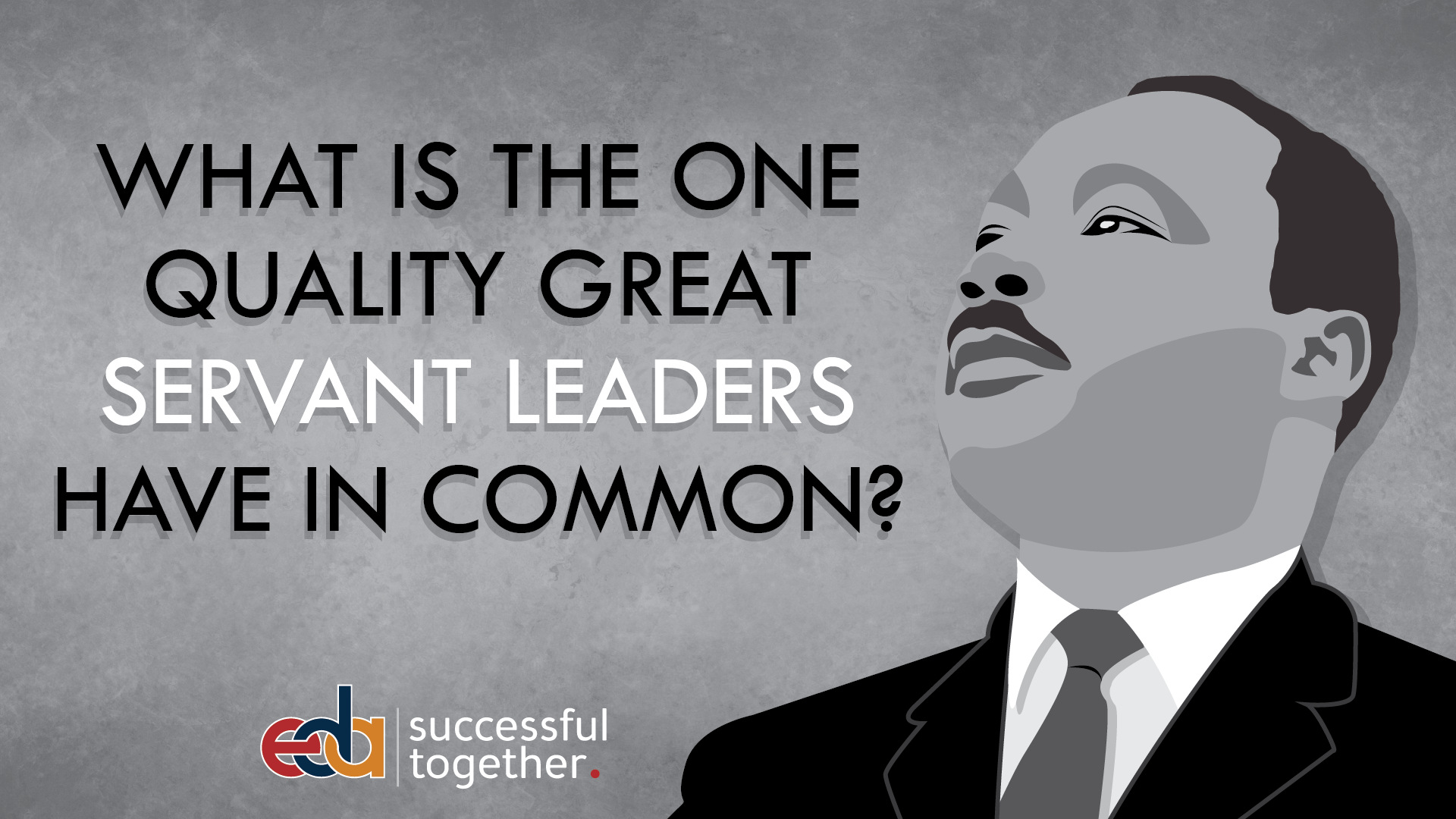
On Martin Luther King Jr. Day, we reflect on the kind of leadership Dr. King embodied — leadership rooted in service, humility, and a commitment to uplifting others.
When it comes to servant leadership, certain qualities reflect the collaborative mindset required to truly embrace this approach.
Servant leaders are flexible, adopting servant leadership not only as a leadership style, but as a way of life. They readily share knowledge, put the needs of their people first, and listen with intention. They strive to bring out the very best in their workforce through empathy, mentorship, and stewardship. Servant leaders recognize the importance of supporting, uplifting, and inspiring others, while actively building trust — knowing that trust leads to stronger performance and more meaningful organizational outcomes.
There are many traits that make up a servant leader.
Still, there is one quality the best servant leaders have in common.
That quality is humility.
Let’s look at the word humility for a moment. Merriam-Webster defines humility as freedom from pride or arrogance — the quality or state of being humble. The word originates from the Latin humilis, meaning “low.” The Cambridge Dictionary defines humility as the awareness that you are not more important than others, while Collins describes a humble person as someone who does not believe they are above others. A common synonym is modesty, which reinforces humility’s core traits: reserve, decency, and simplicity — free from pretension.
Humility is a powerful trait, especially for a servant leader.
Effective servant leadership requires putting ego aside. Rather than focusing on personal accomplishments or transactional success, the servant leader embraces collaboration and community. Humble leaders take time to listen, ensuring every voice has the opportunity to be heard. They proactively champion team development while prioritizing ethical conduct and constructive collaboration throughout the workplace.
With humility at its core, servant leadership moves from good to great. Leaders who consistently embody empathy, trust, and commitment inspire others to focus on serving — not on individual rewards.
Creating a positive work culture rooted in trust and growth requires leaders to connect with their teams as members of the collective, not as superiors. With a servant mindset grounded in humility, leaders can cultivate workforces that are intentional, collaborative, and — above all — respectfully engaged.

Ready to begin your next project?